Survey Says…
To better understand researcher experiences with identity management and privacy in research and scholarly contexts, we need to listen to researchers. We started with a survey and a series of focus groups (methods and respondent demographic details are provided below).
What did we learn?
Overall, researchers care deeply about research integrity and see identity verification – and pathways to accountability verification affords – as critical to both public trust and personal career advancement. They want more research and scholarly workflows to integrate identity verification and they want the verification process to work better, with more consideration for privacy of personal information.
Over 90% reported having been asked to prove their identity in a research context.
87% feel that identity proofing is valuable
37% have had bad experiences
Half of respondents stopped using a research or scholarly tool, service, or platform due to privacy concerns.
Where are Researchers Experiencing Identity Verification
Researchers encounter identity verification in a variety of research scholarly contexts. Over 80% reported experiencing some form of verification, with over half of respondents indicating such an experience in employment or hiring, while trying to access a research tool or platform, or in an authorship confirmation workflow.
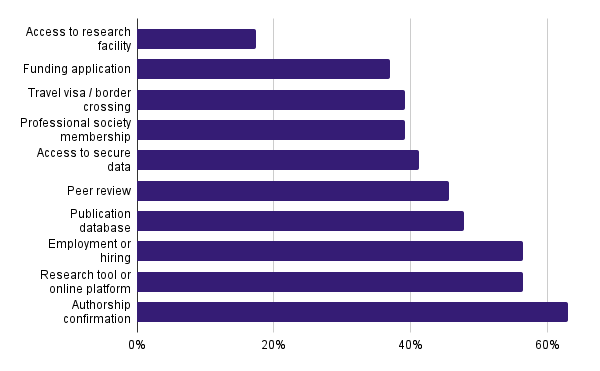
Figure 1. “In what research or scholarly contexts have you been asked to document your identity?”
Respondents indicated a clear preference for more identity verification across research and scholarly contexts, with access to secure datasets, authorship, peer review, and funding applications topping the list.
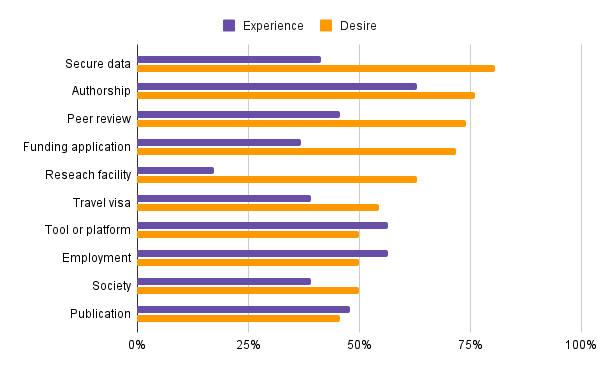
Figure 2. Overlay of Figure 1 with responses to “In what research or scholarly contexts do you think identity proofing is needed or would be valuable?”
What Kinds of Identity Verification?
Most respondents reported they were asked to verify their email or affiliation to prove they are who they said they are. Over half reported being asked for a government document in a research or scholarly context, while about a fifth of respondents reported using biometrics (such as a fingerprint) or a liveness check (such as a video).
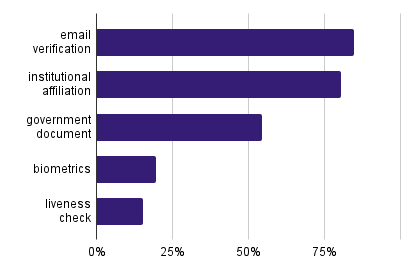
Figure 3. What forms of documentation have been requested from you to prove you are who you say you are in research and scholarly contexts?
How are Researchers Experiencing Identity Verification?
While about half of respondents rated identity verification necessary and important or acceptable, about a quarter found the process frustrating or invasive.
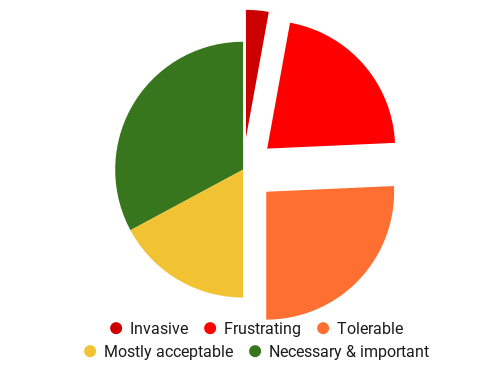
Figure 4. “How do you characterize the identity proofing process in research and scholarly contexts?”
And frustration with the identity-proving process had a clear effect on researcher use of platforms. Nearly 90% of respondents indicated that protecting the privacy of their personal information was very important to them. A similar proportion indicated it was very important to have a say over how their personal information is collected and shared. And 76% of respondents reported that privacy practices had influenced their decision to use research and scholarly platforms, tools, or resources, with 48% reporting that an identity proofing process had stopped them from using a research and scholarly platform, tool, or resource.
Who took the survey?
The respondents represented a broad geographical range, with just under half from North America, 22% from countries in the Asia Pacific region, 15% from European countries, 9% from countries in Central and South America, and 7% from countries in the Middle East and Africa. Nearly 60% of respondents indicated they were in a senior career stage, 26% in a mid-career stage, and 15% in an early career stage. We also asked about where people worked. About 40% reported an affiliation with a university or research institute, 24% with a non-profit organization, 9% with a government agency, 5% with a commercial organization, and 22% were independent or self-employed.
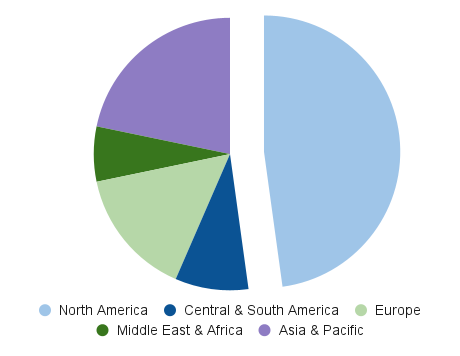
Figure 5a. “In what country do you work or are you most active as a researcher or scholar?”
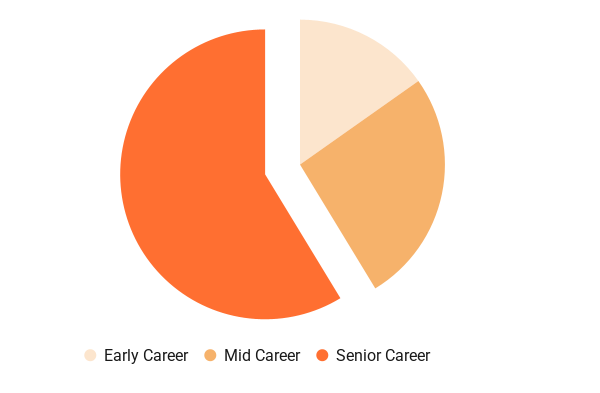
Figure 5b. “What best describes your career stage?”
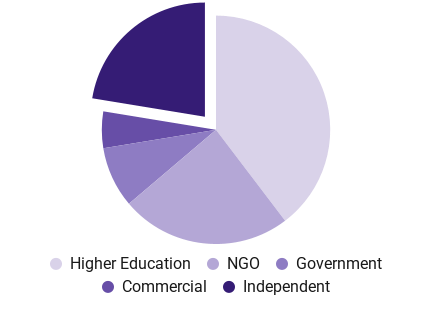
Figure 5c. What organization type best describes your primary employer or workplace where you do research, scholarship, or research-related work?
Methods
The survey was carried out using BlockSurvey, a privacy-first survey platform. We did not collect emails or other identifying information from respondents. The survey had 10 questions, and was available in several languages. Open from September 2025 until the end of the year, we shared links to the survey through LinkedIn, our website, on several Slack and Discord channels, and at a number of conferences. The survey had 1285 unique views and a 4% completion rate. Everyone who started the survey also finished it, with an average time to completion of 5 min 43 sec. We also carried out focus groups to dig deeper into some of the questions.